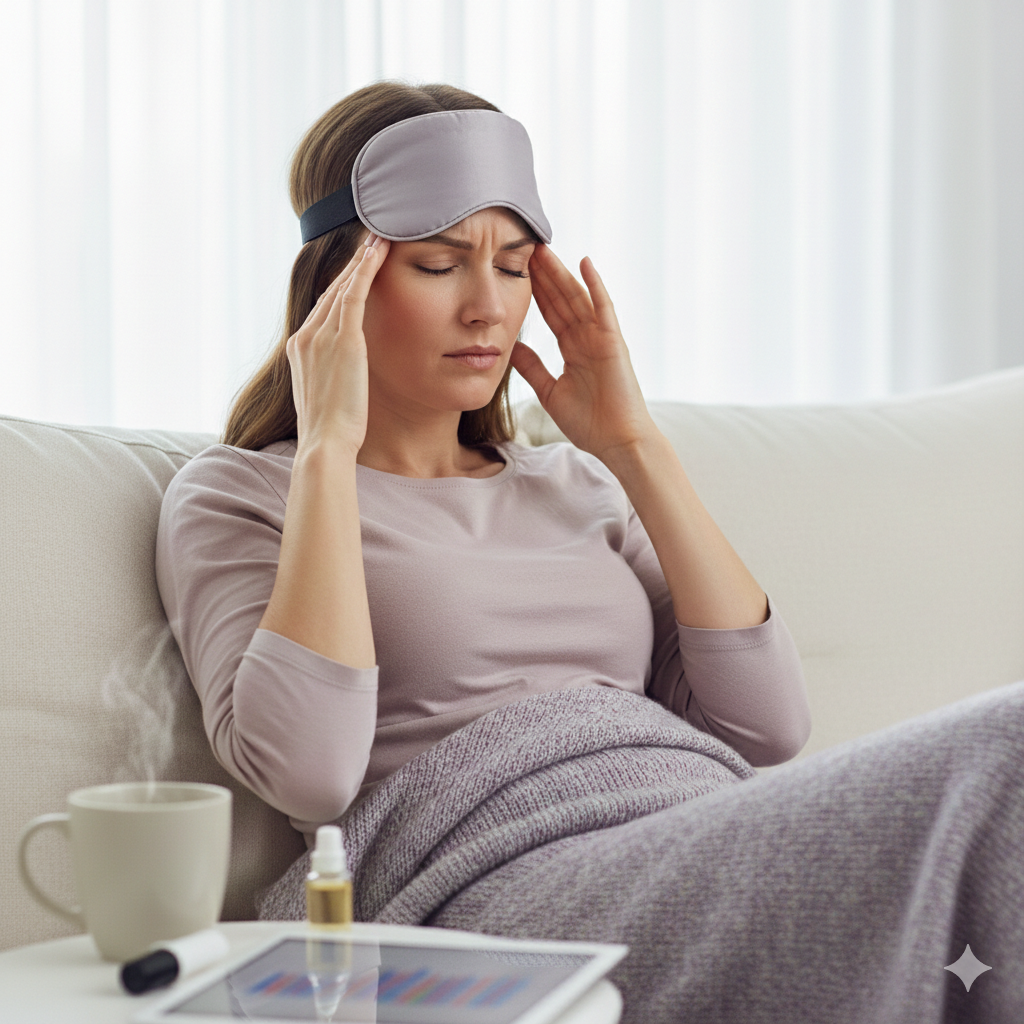
When a headache strikes, it doesn't just hurt—it interrupts your day, your work, and your time with family. You’ve likely tried cutting out coffee or getting more sleep, but the unpredictability remains. The frustration comes from not knowing if your symptoms are linked to a hidden additive in your lunch, a specific nutrient you're missing, or a cumulative pattern over time. You deserve more than a generic list of "common causes"; you need a clear view of your own personal triggers.
Maintaining mental clarity isn't just about avoiding "bad" foods; it's about the delicate balance between what your body needs and how it reacts to specific ingredients. It isn’t just about a single vitamin; it’s about how processed meats containing nitrates or aged cheeses interact with your specific nutrient levels. Whether it's a reaction to artificial sweeteners in a diet soda or a long-term gap in essential minerals, your body uses symptoms to signal an imbalance. TCT looks at your history to highlight the patterns between these dietary choices and your headaches, identifying specific links that generic trackers simply cannot see.
Folate Levels: Getting too little folate is associated with a specific type of anemia that can result in headaches, physical weakness, and trouble concentrating.
Vitamin A Levels: High intakes of preformed vitamin A, often found in concentrated sources or specific animal-based foods, are linked to severe headaches and blurred vision.
Pantothenic Acid Gaps: While less common, a significant gap in this nutrient is associated with symptoms including headaches, extreme tiredness, and irritability.
Niacin Sensitivity: High amounts of nicotinic acid are linked to skin flushing, which is often accompanied by headaches and dizziness.
Processed Ingredient Patterns: Specific additives like Monosodium Glutamate (MSG), Nitrates, and Aspartame found in packaged snacks and deli meats that TCT’s Correlation Engine can identify as high-confidence triggers for your acute episodes.
TCT uses a sophisticated engine to find the unique relationships between your symptoms and what you consume—including dozens of nutrients, specific foods, and hidden ingredients. By looking at your history, TCT provides confidence levels to help you pinpoint which dietary habits are most closely linked to your headaches. With our Barcode Scanner and Label Reader, you can finally see past the packaging and understand how every ingredient fits into your personal wellness patterns.
Research & Content Process: This article was researched and written with AI assistance. Our process exclusively references U.S. government sources (.gov sites only), including the NIH Office of Dietary Supplements, USDA, FDA, and HHS, to ensure consistency and authority. AI is used to synthesize research findings and generate the content, which is then reviewed by Team TCT for accuracy and alignment with our mission. However, errors or omissions may occur, and this content should not replace professional medical guidance.
**Disclaimer:** The information provided is for educational purposes only and does not constitute medical advice, diagnosis, or treatment. Always consult with a qualified healthcare provider before making changes to your diet, taking supplements, or treating any health condition. Individual results may vary.
